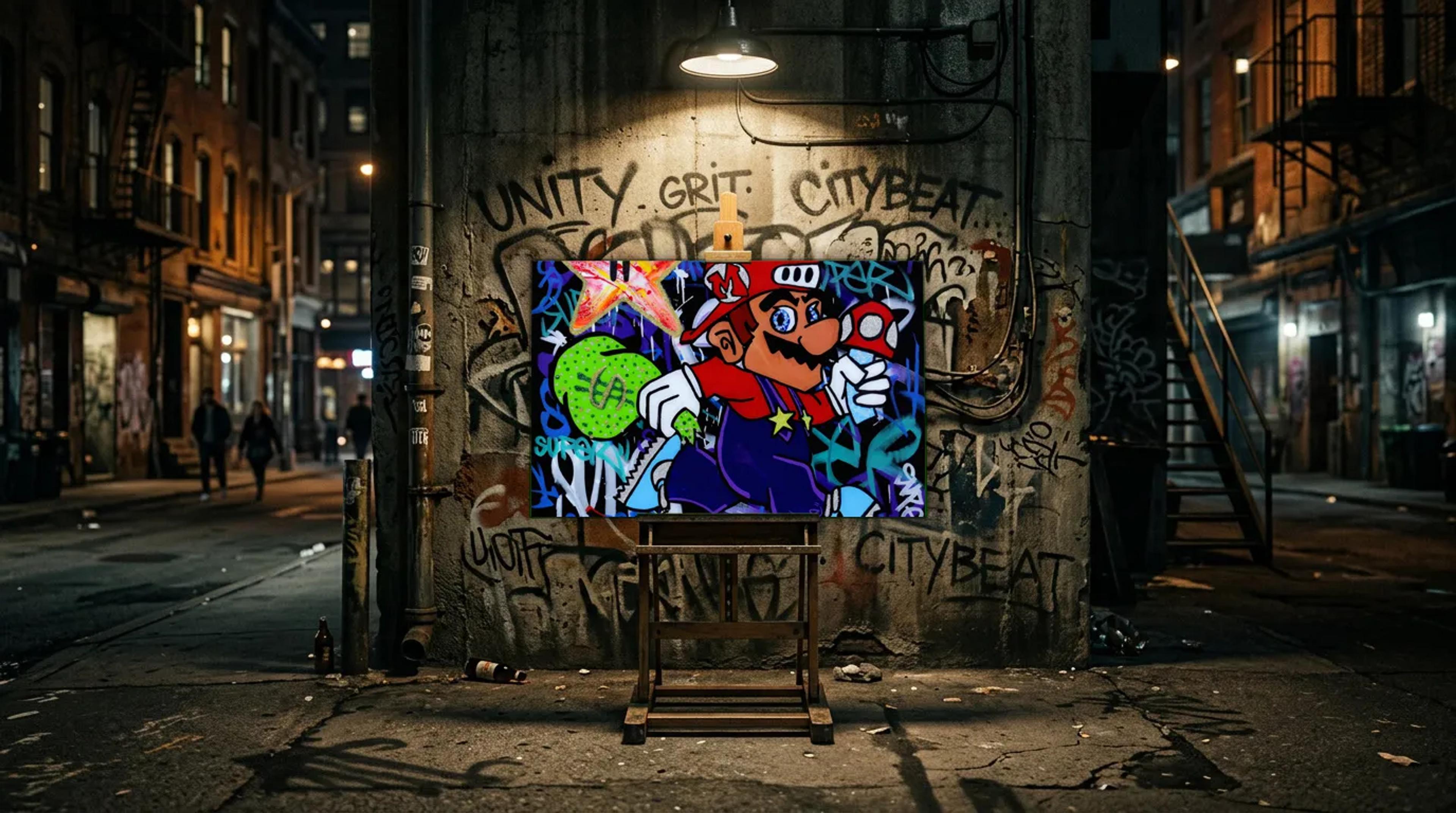
Street art was once dismissed as vandalism. Today it influences fashion, interior design, and a serious chunk of the contemporary art market. The raw energy of the street has become one of the strongest forces in contemporary visual culture, and the auction prices stopped being a joke a long time ago.
From walls to canvas
Many of today's most sought-after contemporary artists started with spray paint on concrete. The transition from street to studio doesn't water down the work. It channels the same energy into pieces that can be collected, preserved, and lived with, instead of being painted over by a city crew at 3 a.m.
The aesthetic of authenticity
What makes street art compelling is its rawness. Drips, imperfections, layered textures. Qualities that come from painting fast and in public have become a deliberate aesthetic choice. Collectors are drawn to work that feels unpolished and honest, the visual opposite of corporate decor.
Street art at home
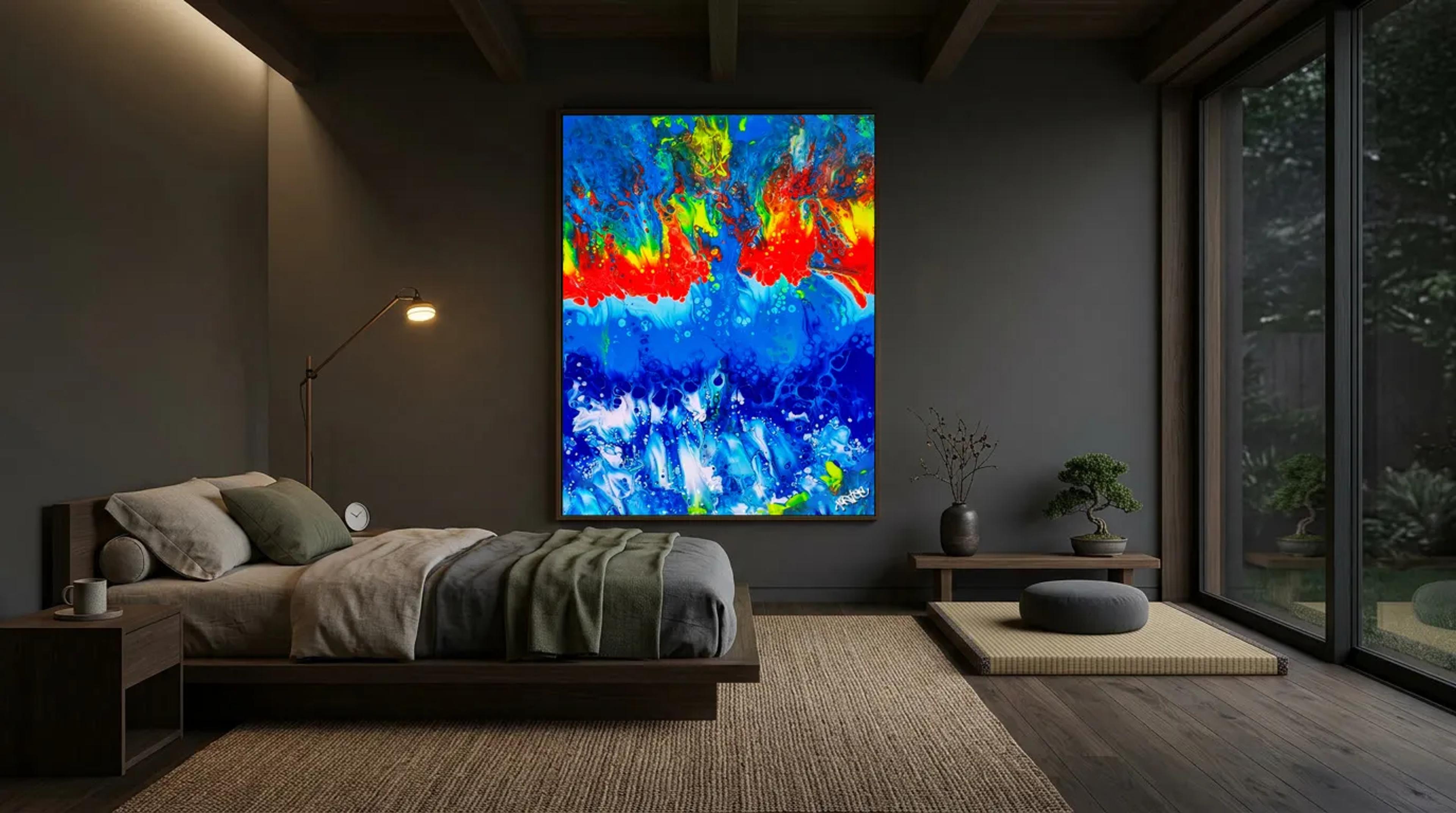
A street art-influenced piece brings edge into any space. Industrial lofts and modern apartments pair naturally with it, but the contrast of a raw, energetic piece in a more traditional setting can be even more striking. Think of it as the piece that wakes the rest of the room up.
Beyond graffiti
Contemporary street art is bigger than spray cans. Stencil work, wheat-pasting, mixed media, and techniques borrowed from every art form imaginable now sit under the same umbrella. Artists who grew up in street culture are making richly layered studio work that carries the DNA of the street while pushing somewhere new.
The scale of this shift is measurable. Global turnover for urban and street art grew by more than 40% between 2018 and 2023. Banksy's Love is in the Bin sold for $25.4 million at Sotheby's in 2021, while KAWS's THE KAWS ALBUM reached $14.8 million at Sotheby's Hong Kong, nearly 15 times its high estimate.
Collecting street art
The market for street art-influenced work has exploded. Early collectors of artists like Banksy, KAWS, and Shepard Fairey have seen extraordinary returns. But beyond the investment angle, collecting street art is about connecting with an art form that reflects the energy and chaos of urban life.
The numbers are stark. In 2024 alone, Banksy prints generated $7.4 million across 197 lots sold, with a 78.2% sell-through rate, according to auction data tracked by Banksy Explained. His originals brought in another $10.6 million on top of that. For collectors who recognized street art's potential early, the returns have been hard to beat in any other corner of the market.
The street isn't a phase the art world went through. It's part of the contemporary canon now.
Frequently Asked Questions
Graffiti is mostly text-based and tied to crews and tags. Street art is broader: stencils, posters, murals, paste-ups, and any visual work made for public space. The two overlap, but street art usually has a more developed visual language aimed at a wider audience.
It has been, in recent years. Top names like Banksy, KAWS, and Shepard Fairey have driven serious auction returns, and the broader street art category has outpaced many traditional art segments. Like any art investment, results vary by artist and edition.
Yes. The contrast often works in your favor. A raw, energetic piece in a clean, traditional room creates more visual interest than the same piece in a loft. Pick one strong piece and let it argue with the rest of the room.
Look for documented provenance, signed and numbered editions where applicable, and direct purchase from the artist or a recognized gallery. Online resale markets have a lot of unauthorized reproductions, especially for high-profile names.
Explore These Pieces
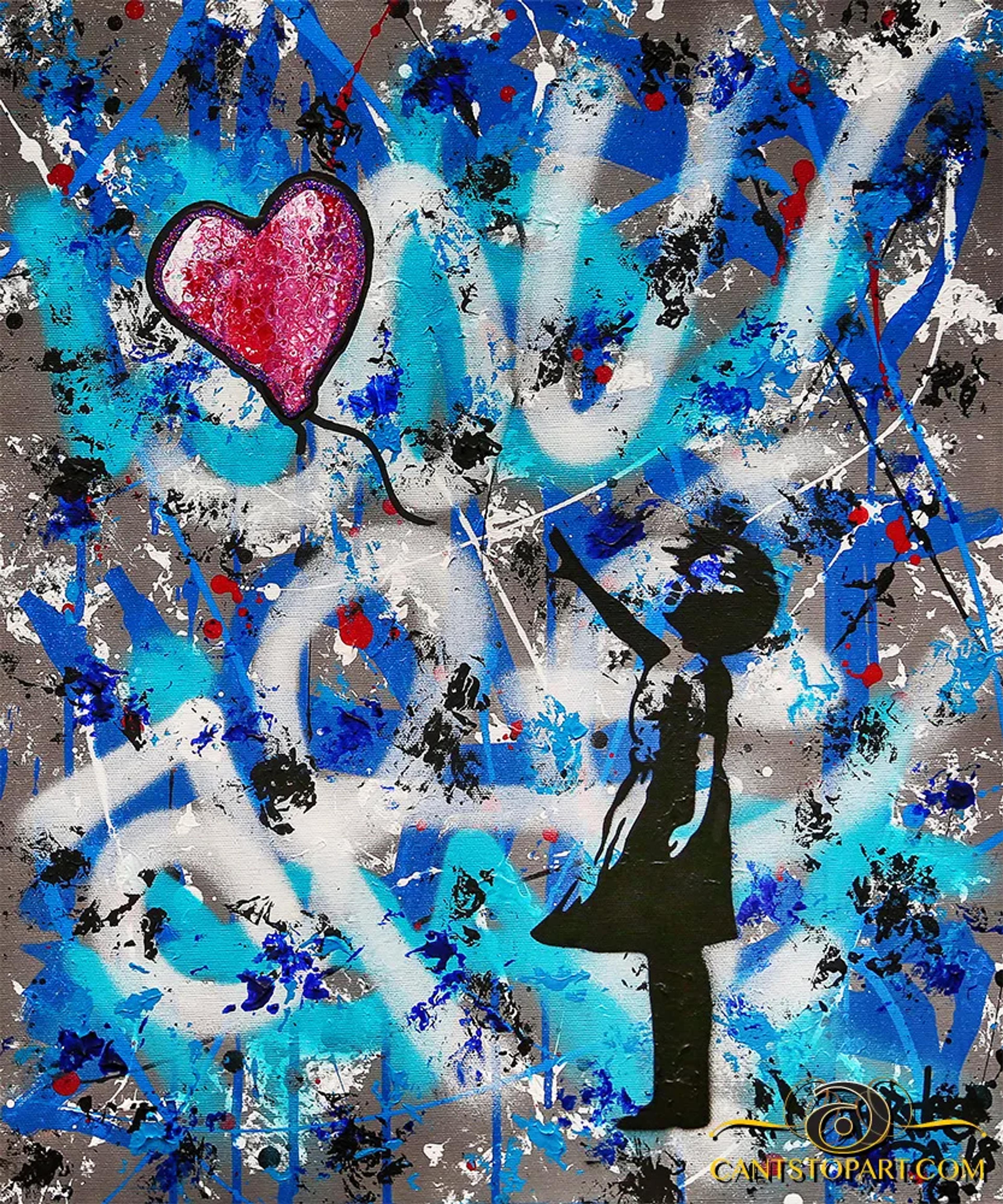
About the Author
Fordee is a Los Angeles-born, Barcelona-based painter and mixed media artist. His work spans pop art, contemporary, abstract, and street art using acrylic, resin, gold foil, alcohol ink, spray paint, and mixed media on canvas, wood, and furniture. Every piece in the collection is a one-of-a-kind original, shipped worldwide from his Barcelona studio.
Keep Reading
 culture
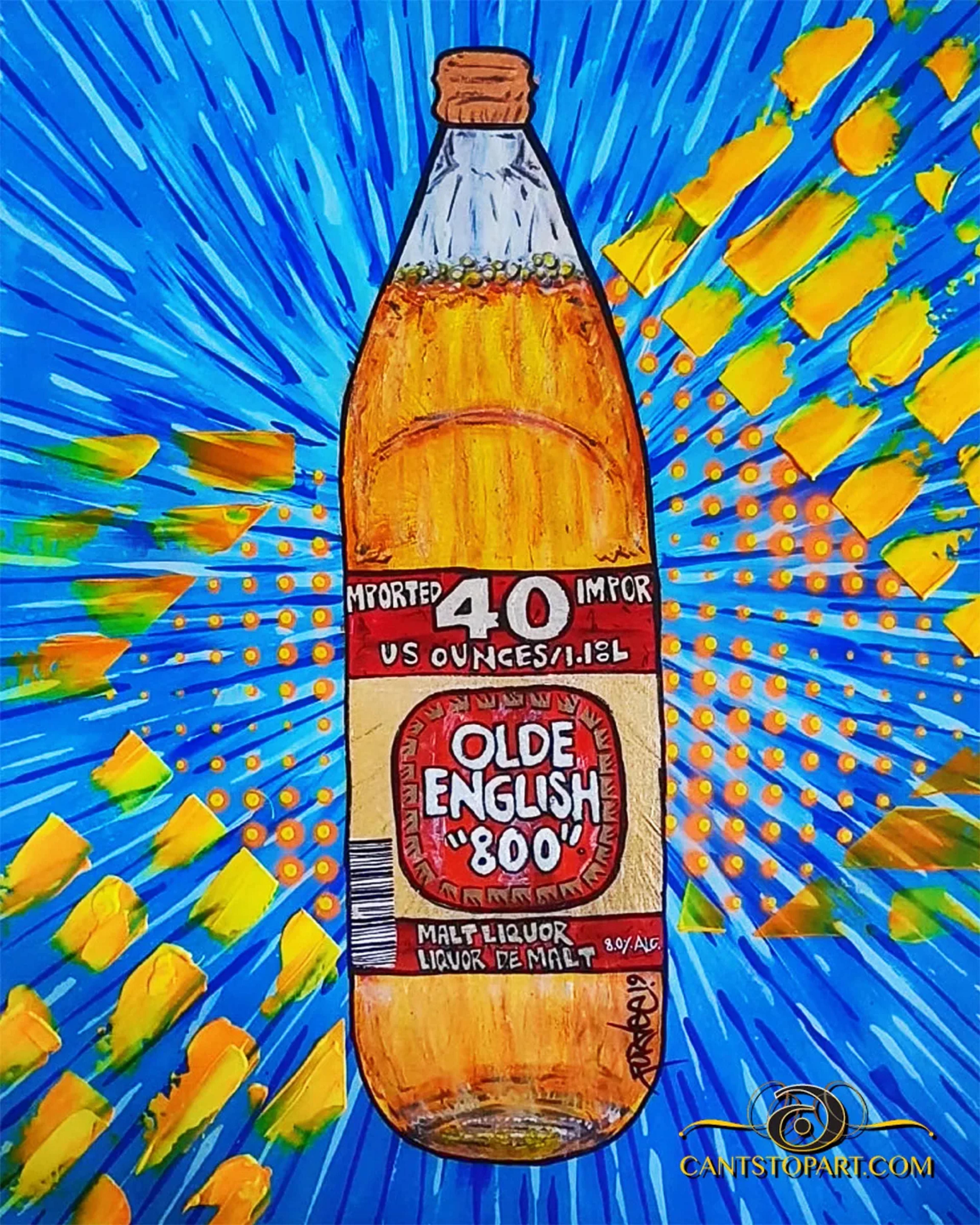
What "Pop Art" Means in 2026, And How a Working Artist Builds It Today
Pop art didn't end with Warhol and Lichtenstein. The movement is alive, weirder than ever, and being made by working artists right now.
 culture
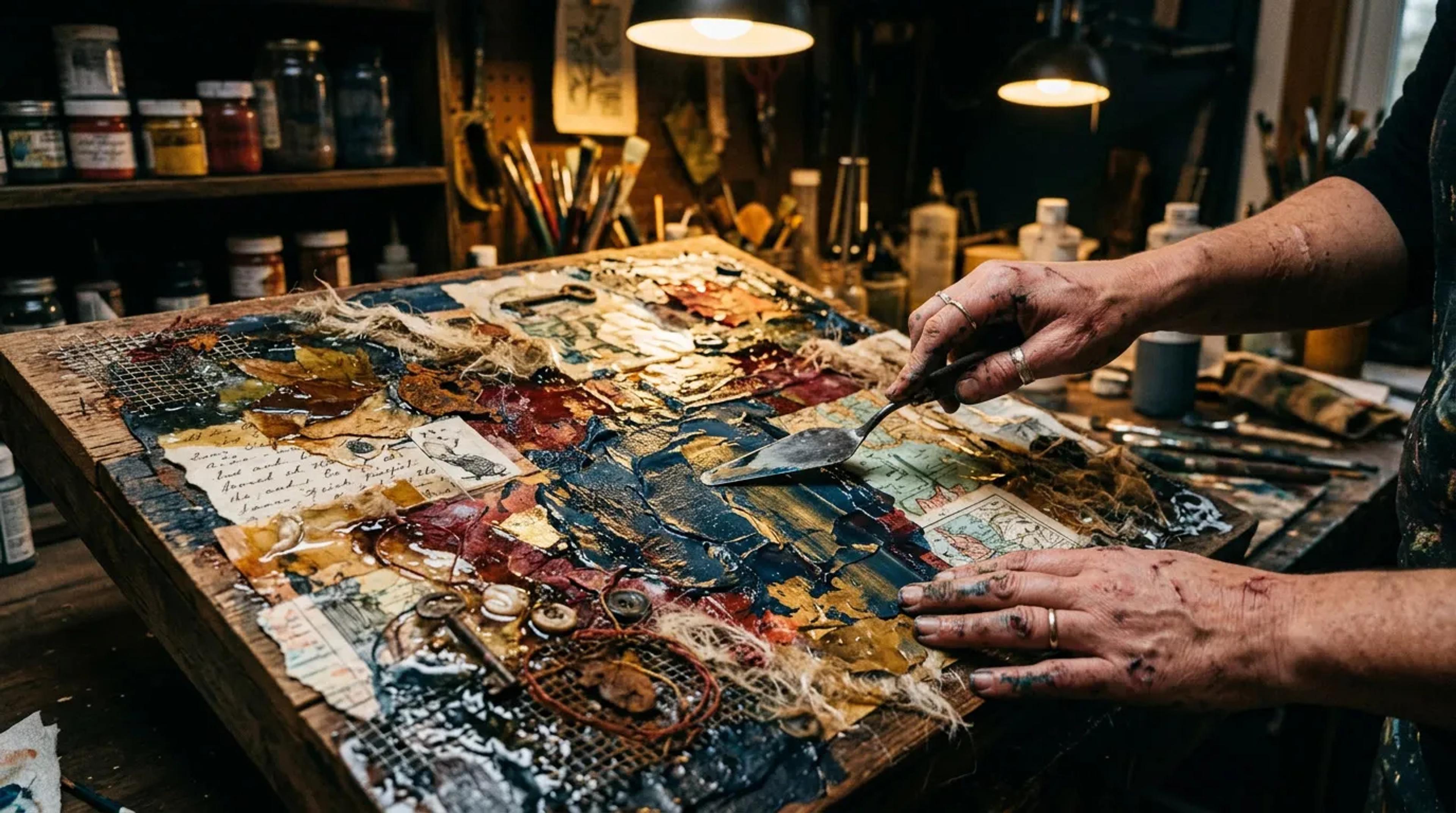
The Rise of Mixed Media: Why Artists Are Breaking Boundaries
There used to be one box per artist: painter, sculptor, printmaker. The most interesting work today is happening when those boxes get smashed.
 culture
How Abstract Art Changes a Room
Abstract art doesn't decorate a room, it tunes it. The piece on the wall sets the emotional temperature of everything else in the space.
Inspired by what you see?
Explore the full collection of original artwork, prints, and more.
Browse the Collection