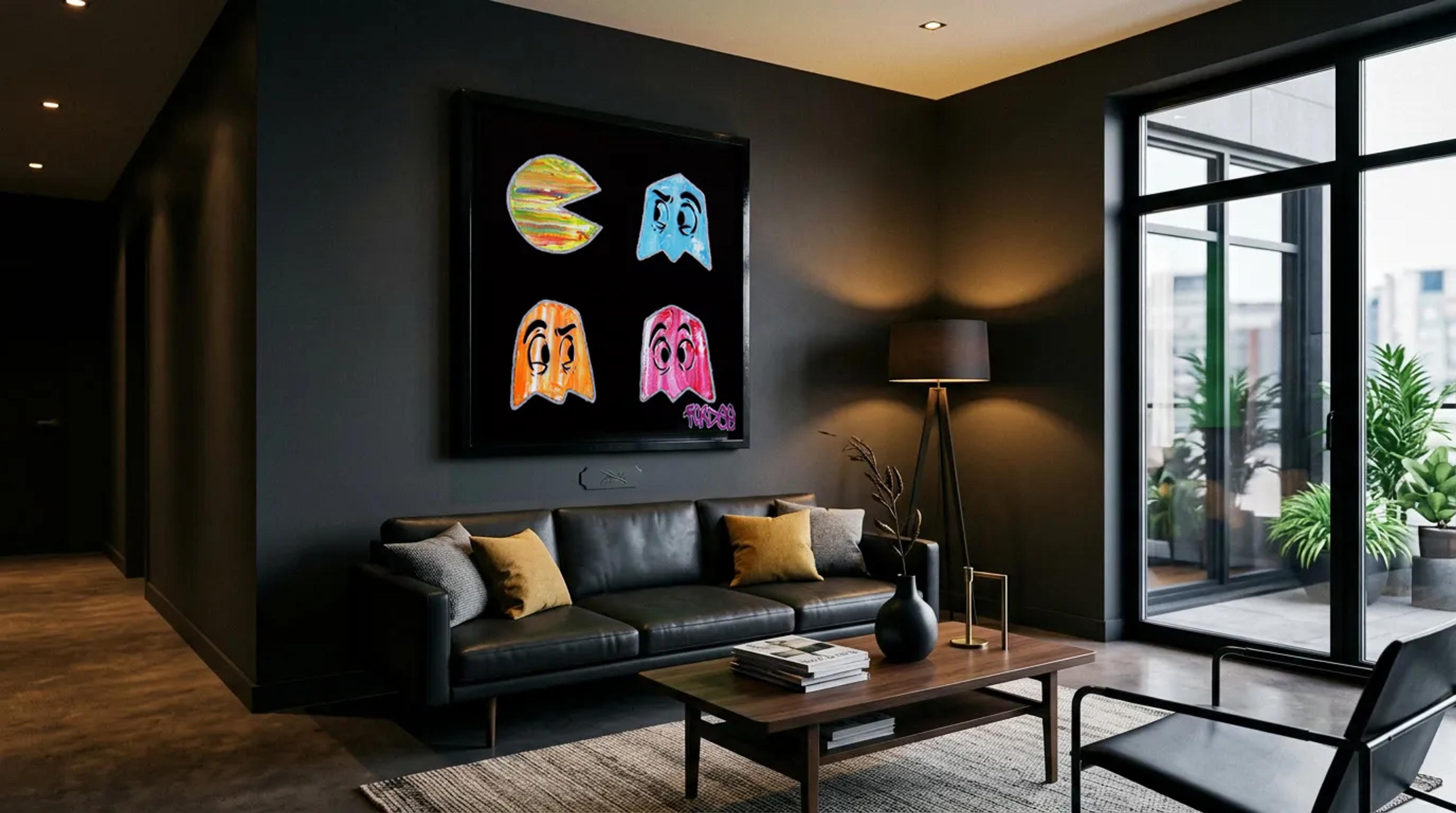
Pop art has always been about energy. Bold colors, graphic lines, and images pulled from everyday culture. What started as a rebellion against fine art snobbery in the 1960s has become one of the most collectible and interior-friendly movements in contemporary art.
The auction market reflects the appetite. Andy Warhol's Shot Sage Blue Marilyn sold for $195 million at Christie's New York in 2022, the most expensive 20th-century artwork ever sold at auction. Roy Lichtenstein's Nurse holds his record at $95.4 million. These are extreme examples, but they signal the depth of demand for pop art at every price level.
Why pop art works in any home
Pop art is inherently democratic. It doesn't require an art degree to appreciate, and its bold visual language works in spaces from minimalist lofts to maximalist living rooms. A single pop art piece can become the focal point that ties a whole room together without you having to redesign anything else.
Bold colors, modern spaces
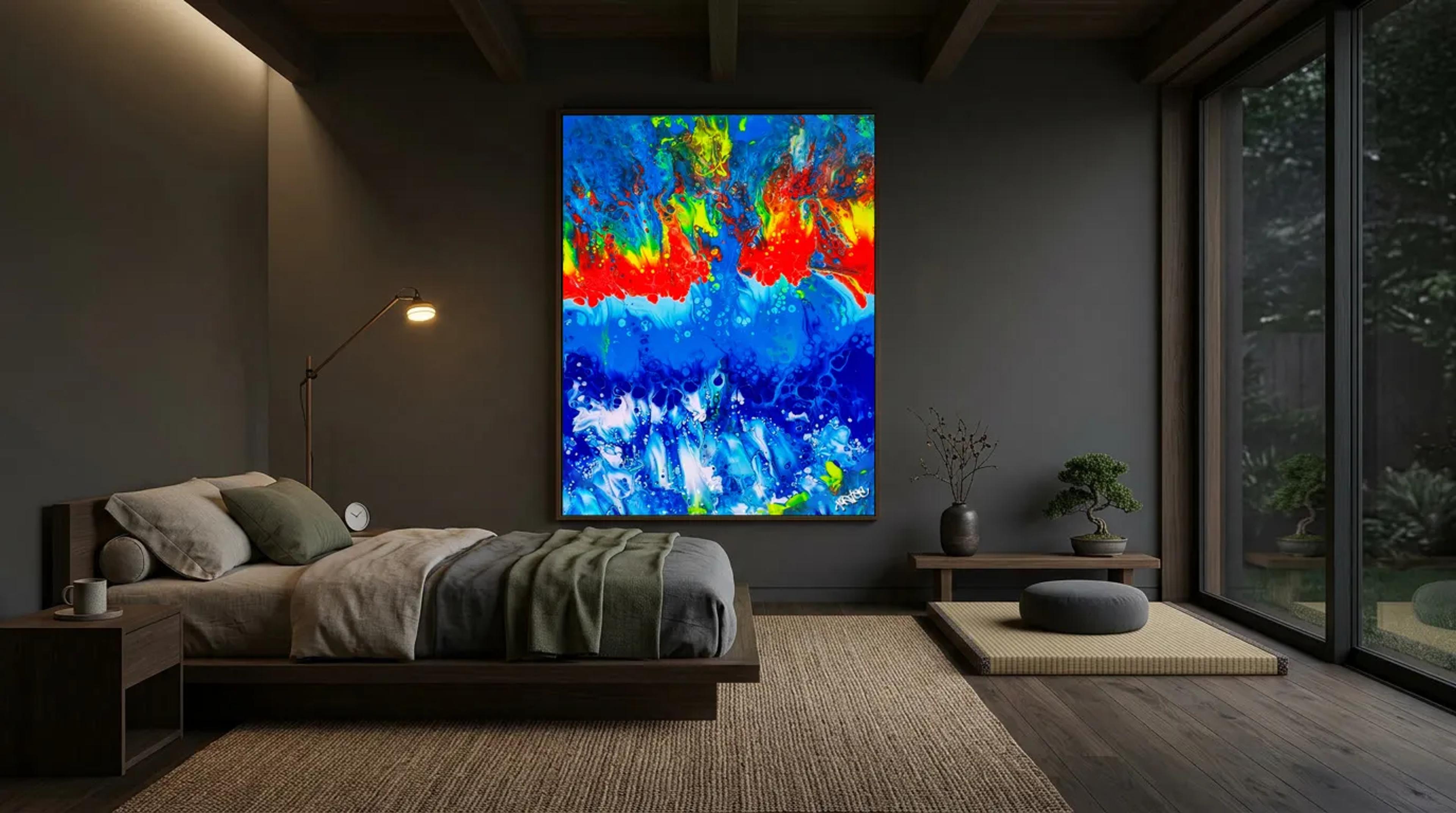
Contemporary interiors often lean neutral: whites, greys, natural woods. Pop art punches through that restraint with unapologetic color. A vibrant piece against a minimal backdrop creates the kind of tension that makes a room memorable instead of forgettable.
Mixing pop with everything else
Don't feel locked into a pop-art-only theme. One strong pop piece surrounded by quieter contemporary or abstract works creates a dynamic gallery wall. The contrast makes both the pop art and its quieter neighbors more interesting. Nobody wants a room that looks like a gift shop.
Pop and street culture
Modern pop art has absorbed the energy of street art, graffiti, and digital culture. Today's pop artists blend spray paint with traditional techniques, building work that bridges the gallery and the street. That crossover is what keeps contemporary pop art feeling current instead of nostalgic.
In 2025, over 90 works from Roy Lichtenstein's estate realized a white-glove $27 million at Sotheby's, surpassing the $15 million estimate, according to Artnet News. The appetite for pop art, from blue-chip icons to emerging artists working in the tradition, isn't slowing down.
Living with pop art
The best thing about pop art is that it doesn't take itself too seriously. It brings joy, humor, and boldness into daily life. If you want a home that feels alive and full of personality, a pop art original is one of the fastest ways to get there.
That's the secret of pop, then and now. It looks easy and it isn't, but living with it is.
Frequently Asked Questions
Pop art uses imagery and visual language pulled from popular culture: advertising, comics, packaging, celebrity portraits. The style typically uses bold colors, graphic lines, and a flat or slightly reproduced look that nods to mass media.
Yes. A single, well-sized pop piece can carry a small room better than several smaller pieces. The bold color does the work of making the space feel intentional.
Pull one or two colors from the piece into the rest of the room (a cushion, a vase, a throw) and let everything else stay quiet. The piece becomes the loud one and the rest of the room agrees with it.
Yes, very actively. Many contemporary artists work in a pop-influenced style that blends street art, mixed media, and digital culture. The category is broader and more interesting now than it was at any point in the last forty years.
Explore These Pieces
About the Author
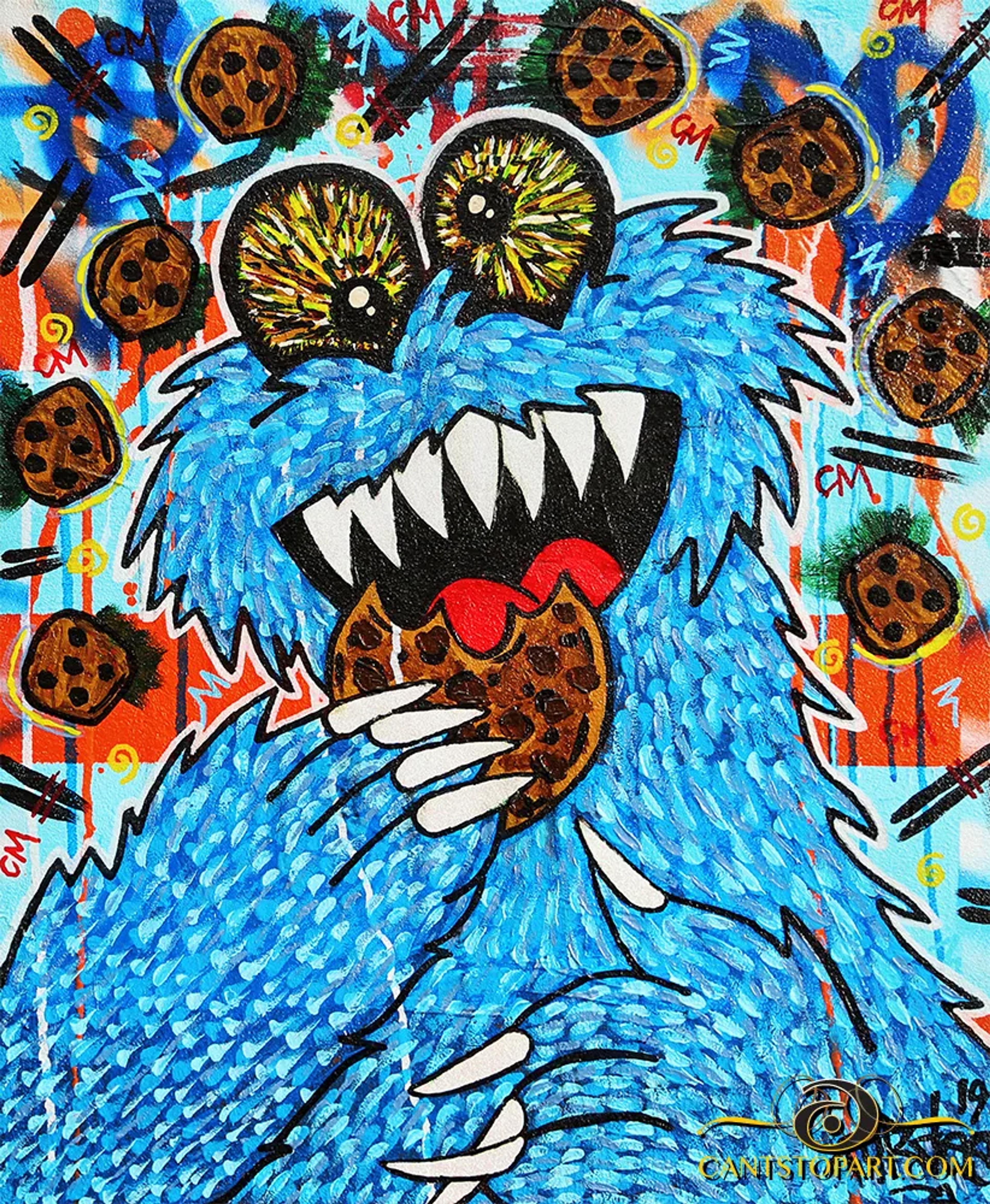
Fordee is a Los Angeles-born, Barcelona-based painter and mixed media artist. His work spans pop art, contemporary, abstract, and street art using acrylic, resin, gold foil, alcohol ink, spray paint, and mixed media on canvas, wood, and furniture. Every piece in the collection is a one-of-a-kind original, shipped worldwide from his Barcelona studio.
Keep Reading
 culture
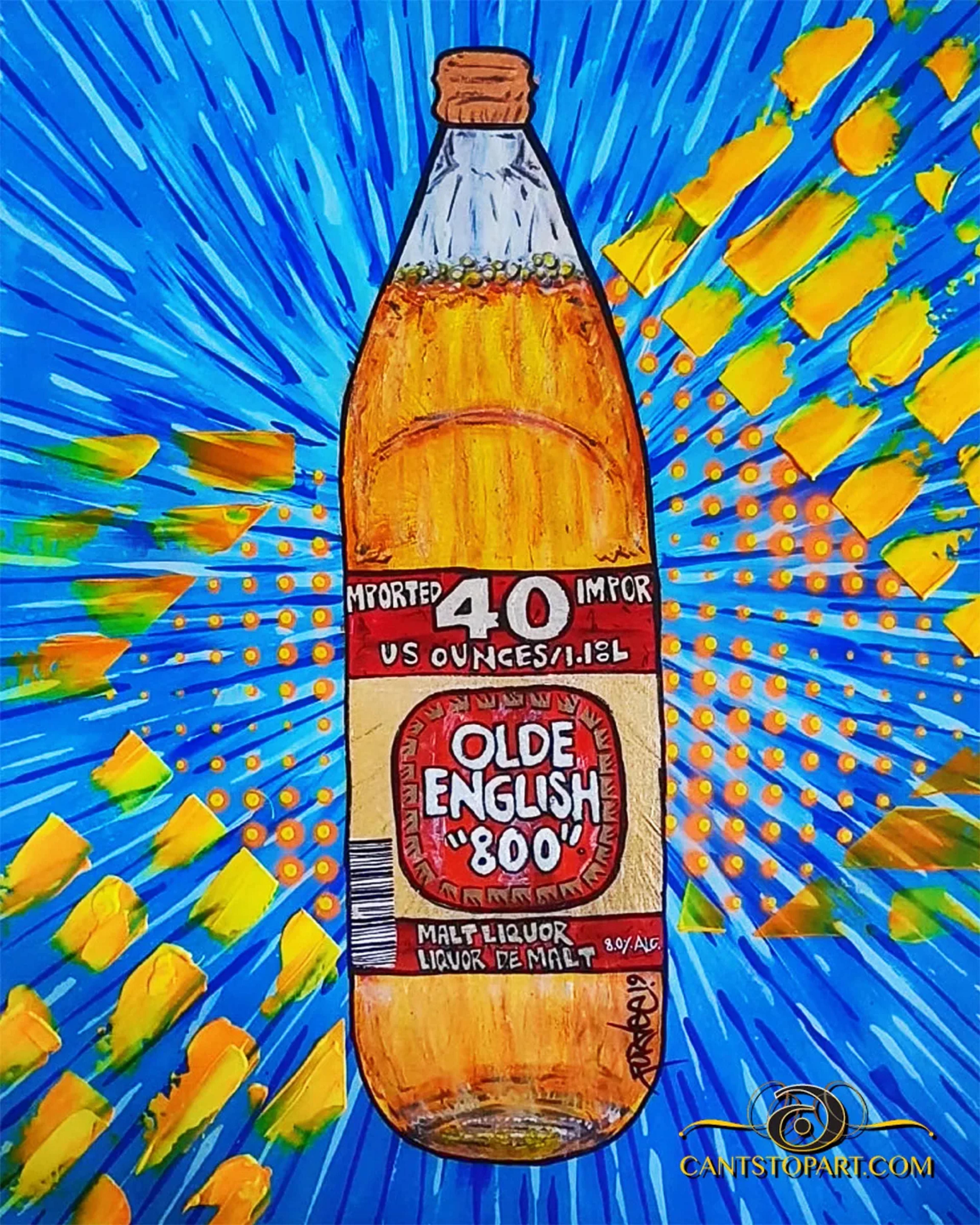
What "Pop Art" Means in 2026, And How a Working Artist Builds It Today
Pop art didn't end with Warhol and Lichtenstein. The movement is alive, weirder than ever, and being made by working artists right now.
 culture
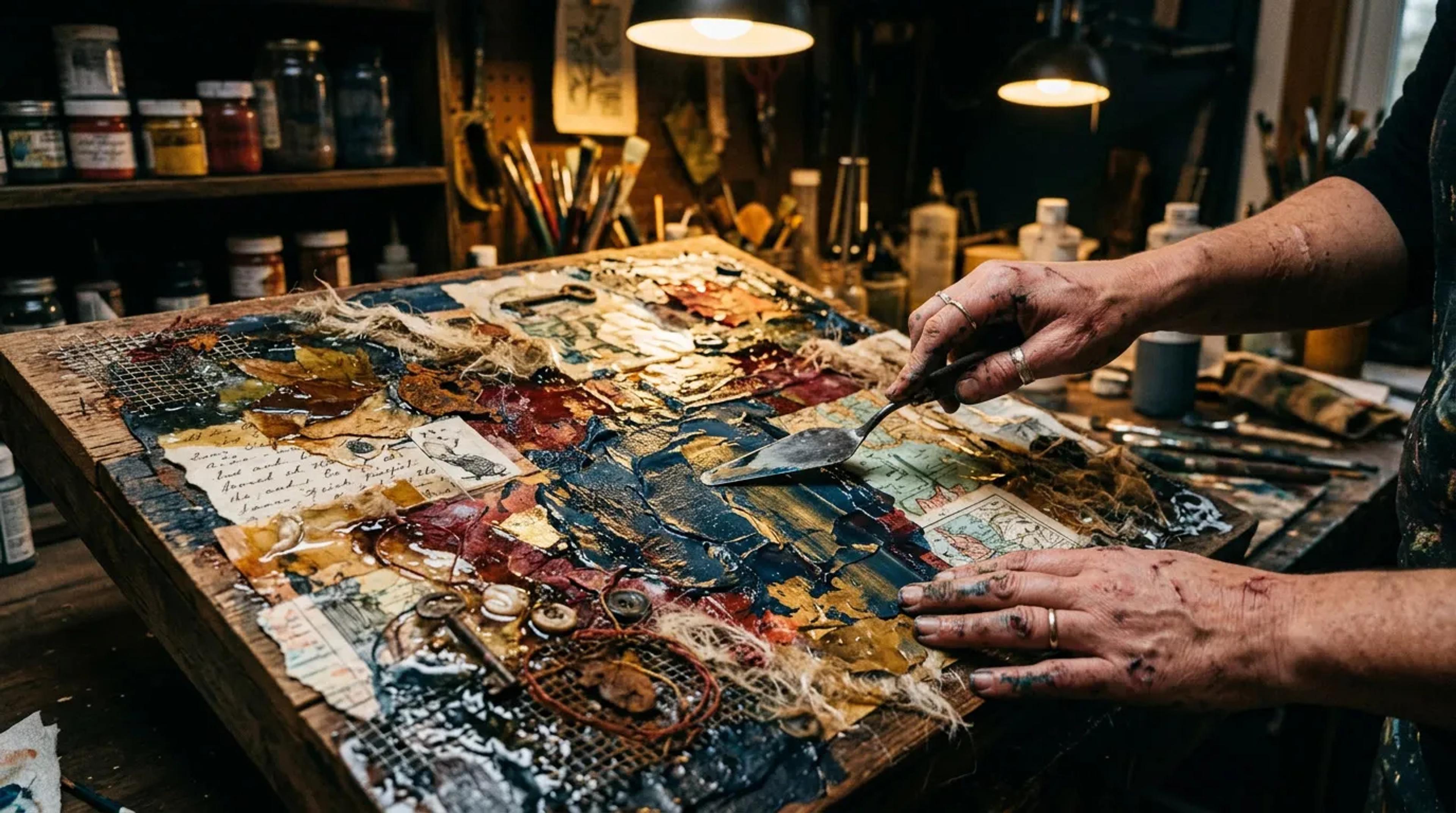
The Rise of Mixed Media: Why Artists Are Breaking Boundaries
There used to be one box per artist: painter, sculptor, printmaker. The most interesting work today is happening when those boxes get smashed.
 culture
How Abstract Art Changes a Room
Abstract art doesn't decorate a room, it tunes it. The piece on the wall sets the emotional temperature of everything else in the space.
Inspired by what you see?
Explore the full collection of original artwork, prints, and more.
Browse the Collection