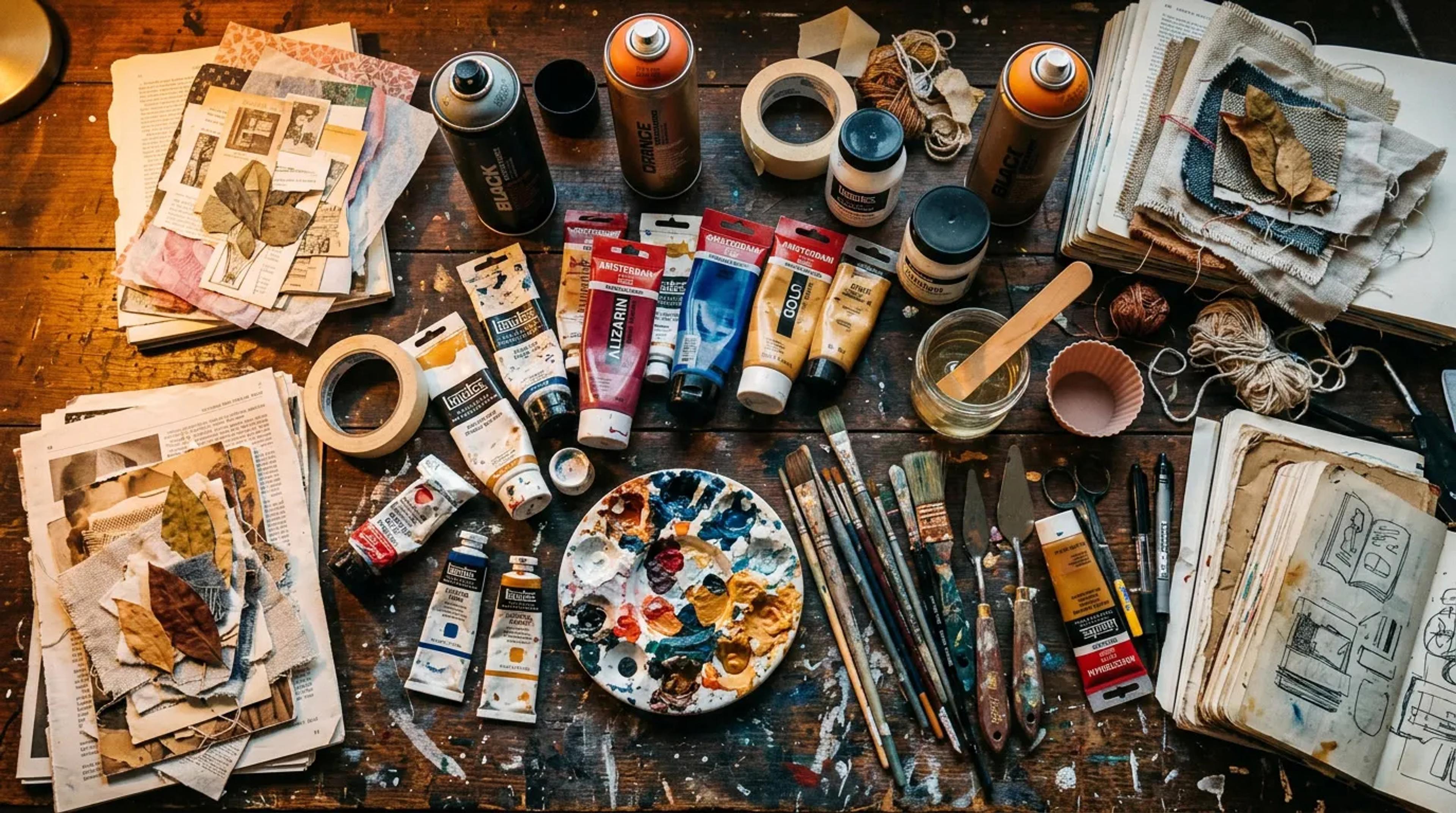
I've painted with acrylics, worked with oils, sprayed walls, carved wood, poured resin, and built canvas-stretched furniture. Mixed media is the one I always come back to, and once you've watched these materials argue with each other on the same surface, single-medium work starts to feel quiet.
No rules, just decisions
When I start a mixed media piece there isn't a plan. There's a base layer, usually acrylic, and then I make a decision. Modeling paste. Spray over that. Found object pressed in while it's wet. Resin to lock the whole thing down. Each step opens or closes doors. I'm reacting more than I'm directing, and that's exactly where the work gets interesting.
Every layer leaves a fingerprint
The thing I love most is the layering. You can see traces of earlier passes, a color peeking through, a texture half-buried, the edge of something I changed my mind about. The final piece holds the whole journey, including the mistakes. That's the part mass-produced decor will never have.
Materials that don't get along
Different materials behave differently and it shows. Acrylic is forgiving. Resin is unforgiving, you get one shot. Spray paint moves fast. Ink does whatever it wants. When these meet on the same surface they create tensions and harmonies I couldn't plan in advance, which is the whole point.
Off the canvas, into the room
Mixed media naturally pushes past the flat plane. Once you're adding fabric, metal, wood, found objects, the work is somewhere between painting and sculpture. People want to reach out and touch it. I've had collectors apologize for almost touching a piece. That's a good sign.
Never the same twice
Same materials, same techniques, no two pieces come out alike. Humidity changes the resin cure. The angle of a pour decides where it pools. A splatter goes where it goes. That unpredictability is exhausting and it's also the reason I haven't gotten bored.
Anyway, that's why I keep coming back. The materials never finish arguing, and I'm here to listen.
Frequently Asked Questions
Mixed media combines two or more materials in a single piece. That might be acrylic paint layered with collage and resin, ink drawings worked into textured plaster, or spray paint over found objects. There's no fixed recipe.
Yes. It's been a standard category in galleries and contemporary art markets for decades, going back to early 20th-century collage work. Today it sits alongside painting, sculpture, and printmaking in contemporary surveys and auction catalogues.
When sealed properly with archival mediums and resin, mixed media pieces are stable and long-lasting. Hang them out of direct sunlight, keep them away from kitchens and bathrooms, and they'll outlast most of the furniture in the room.
Some can, but texture and dimensional layers are part of the work, so a flat reproduction loses what makes the original interesting. Many of my mixed media originals are also offered as prints, with the understanding that the print is a flat capture of a physical piece.
Explore These Pieces

About the Author
Fordee is a Los Angeles-born, Barcelona-based painter and mixed media artist. His work spans pop art, contemporary, abstract, and street art using acrylic, resin, gold foil, alcohol ink, spray paint, and mixed media on canvas, wood, and furniture. Every piece in the collection is a one-of-a-kind original, shipped worldwide from his Barcelona studio.
Keep Reading
 studio
Gold Foil, Resin, and Why Surface Matters in Original Art
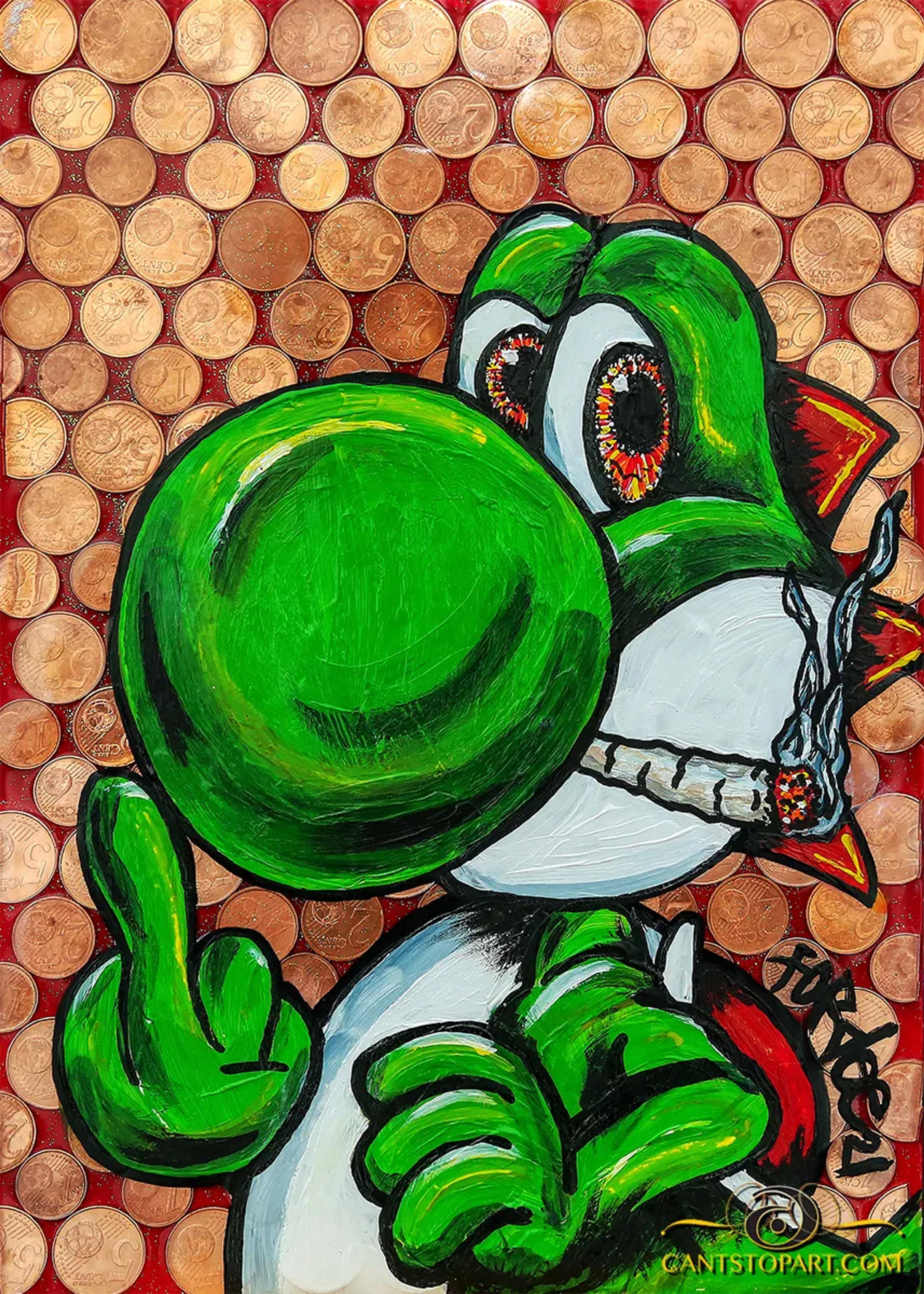
A flat painting and a resin-and-foil piece can be the same image. They're not the same object. The surface is the reason.
 studio
Mixed Media on Furniture: Why I Paint Cabinets, Doors, and Tables
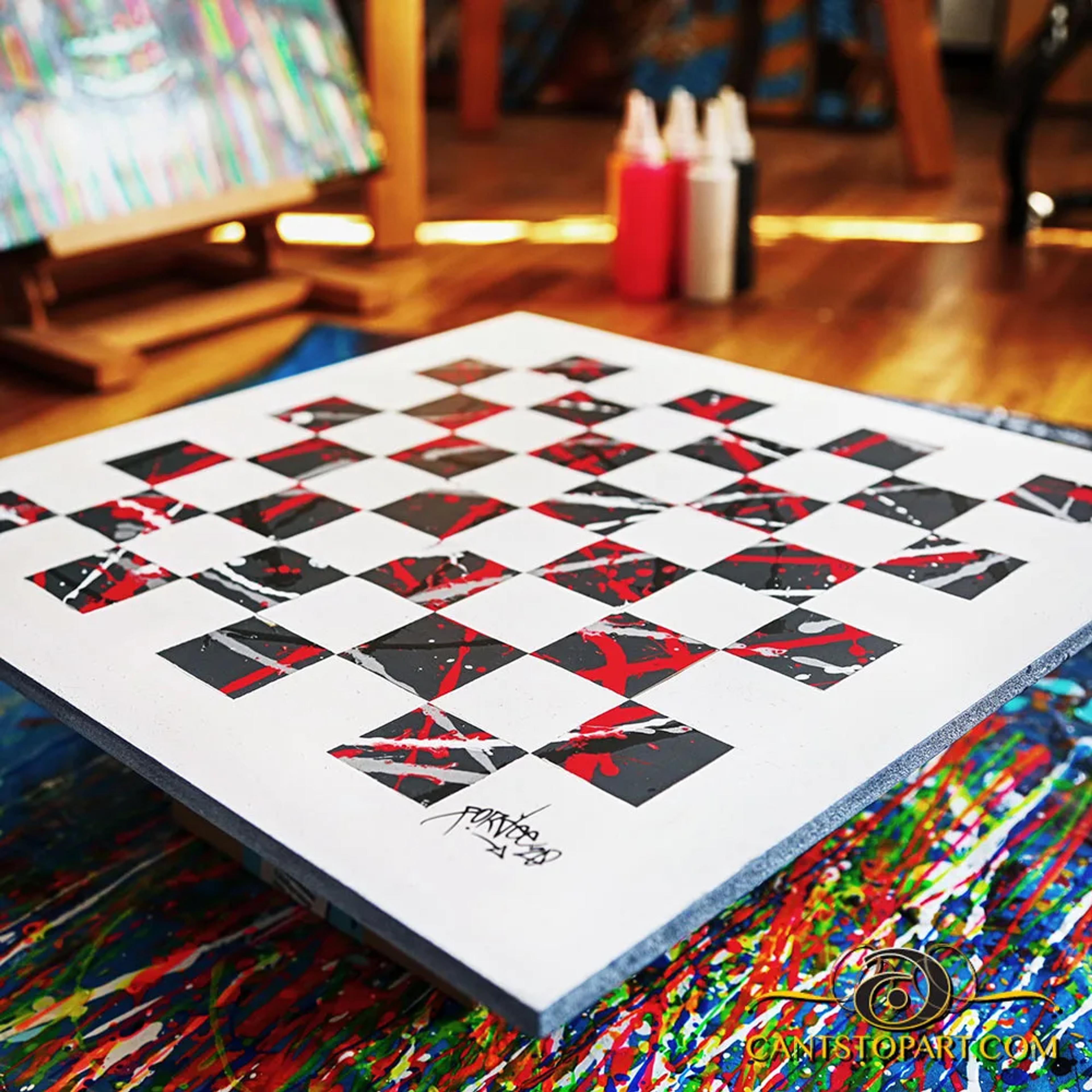
Furniture isn't just a surface for paint. It's a piece of someone's life that becomes art and still has a job to do.
- studio
Inside a Pop Art Piece: From Blank Canvas to Final Resin Layer
People ask how a pop art piece actually gets made. Here's the full process from sketch to resin on a single piece, mistakes and all.
Inspired by what you see?
Explore the full collection of original artwork, prints, and more.
Browse the Collection