Back to Blog
Choosing Art for Your Space: Size, Color, and Mood
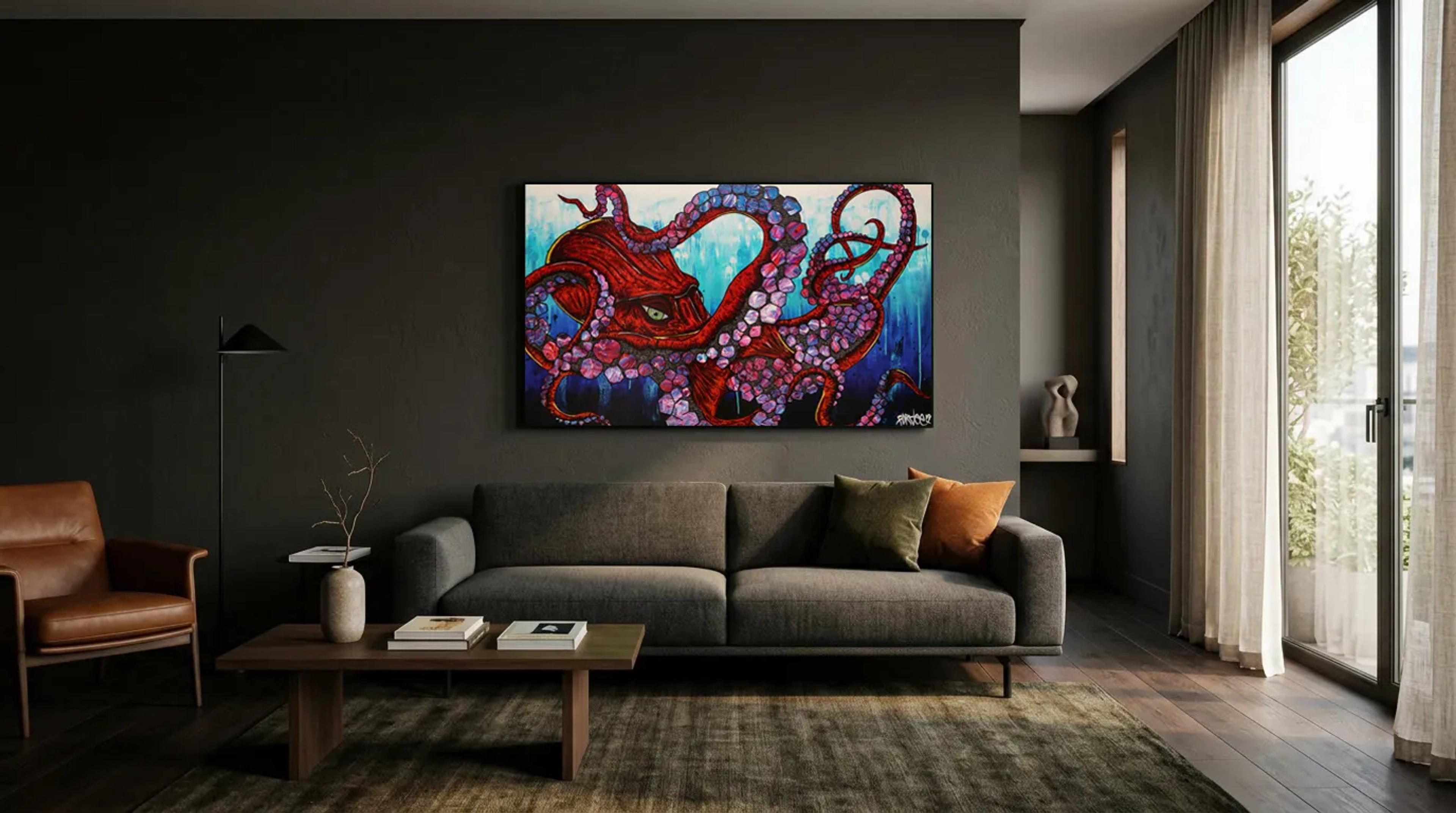
A painting that looks stunning in a gallery can feel completely wrong in your living room, and vice versa. Choosing art for a specific space is about understanding the relationship between the artwork and its environment, not just whether the piece is "good."
Size matters more than you think
The most common mistake is going too small. A tiny piece on a large wall looks like an afterthought, like a magnet stuck on a fridge. As a rule of thumb, art should fill about two-thirds to three-quarters of the available wall space. When in doubt, go bigger. A large piece commands attention and anchors the room around it.
There's data behind that instinct. According to the National Association of Realtors' 2025 Profile of Home Staging, 49% of sellers' agents said staging, where art placement is a core component, reduced the time homes spent on the market. Well-chosen art doesn't just look good, it makes a space feel finished.
Color: complement or contrast
You've got two moves with color. Complementary art picks up tones already in the room and creates harmony. Contrasting art introduces a bold new element, a splash of energy that disrupts the palette in a good way. Both work. The question is which mood you're after.
Color psychology research published in Frontiers in Psychology found that warm colors enhance social interaction and energy, while cool tones promote calm and focus. A 2023 interior design trend report noted a 50% increase in the use of bold colors in home interiors, suggesting that more homeowners are choosing art that makes a statement instead of blending in.
Setting the mood
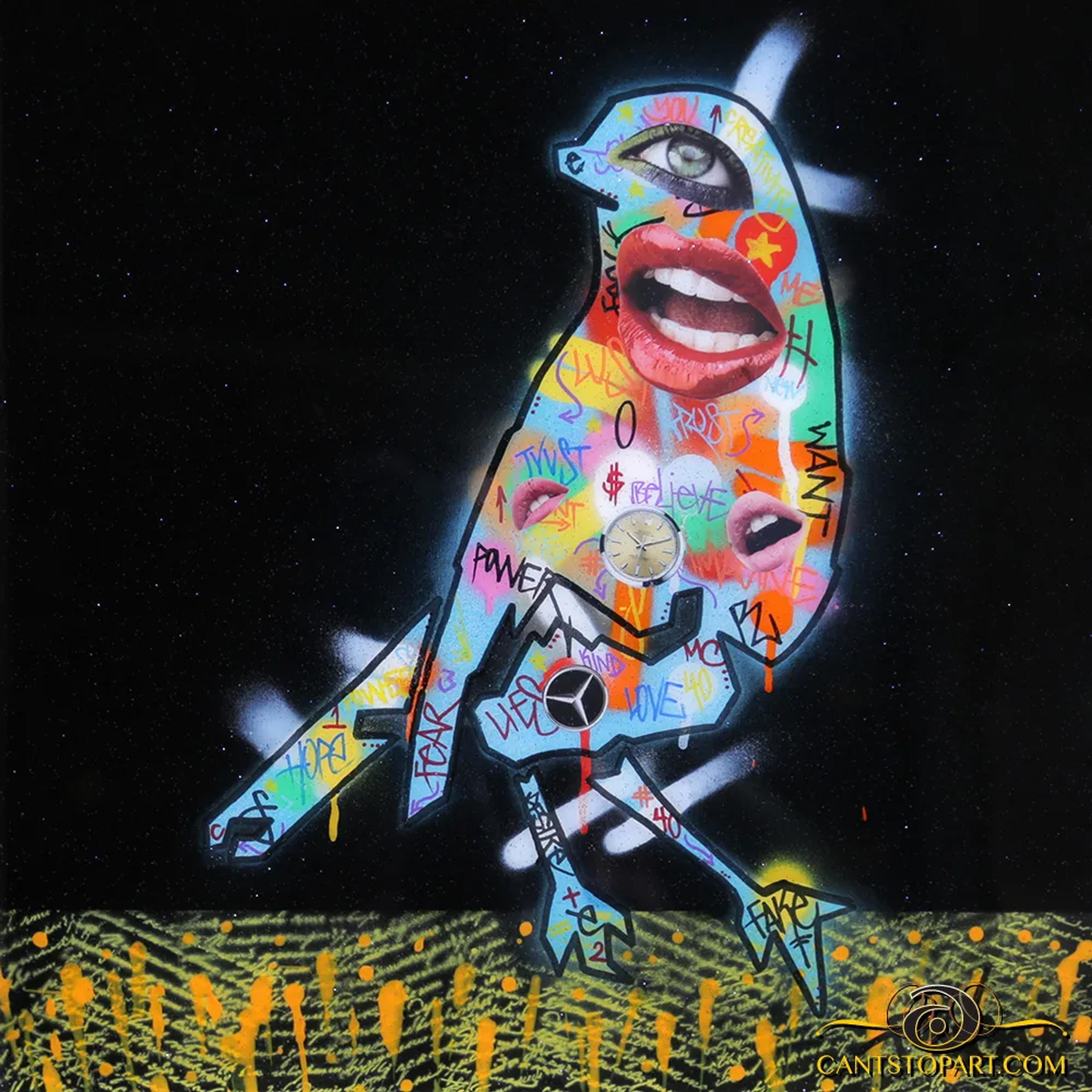
Abstract art with soft, flowing forms creates calm. Bold pop art injects energy and personality. Street art brings edge and attitude. Think about what each room is for. A bedroom might want serenity. A living room or office often benefits from something that sparks conversation and keeps the room from going quiet.
Lighting changes everything
Pay attention to how light moves through your space. A piece that comes alive in natural morning light might fall flat under harsh overhead lighting. If you can, add picture lighting or position art near windows. The same painting at 9 a.m. and 9 p.m. is two different paintings, and you want both versions to look right.
Trust your gut
After all the practical factors, the final test is simple. Does the piece make you want to stop and look at it? If yes, it belongs in your space. If you're still on the fence after a week, your gut already knows the answer.
Frequently Asked Questions
The center of the piece should sit at roughly eye level for an average standing viewer, around 145 to 150 cm from the floor. If the piece is going above a sofa or piece of furniture, leave 15 to 20 cm of breathing room above the furniture.
Aim for a piece that spans two-thirds to three-quarters of the sofa's width. A standard 3-seat sofa pairs well with an artwork between 110 and 150 cm wide. Going slightly larger almost always reads better than going smaller.
Yes. A gallery wall can mix pop art, abstract, photography, and mixed media if you give the pieces a unifying thread (matching frames, a shared color, or consistent matting). The mix becomes the style.
Pull a color, not a style. Picking up one or two tones from the piece somewhere else in the room (a cushion, a rug, a ceramic) ties the room together without making it look themed.
Explore These Pieces

About the Author
Fordee is a Los Angeles-born, Barcelona-based painter and mixed media artist. His work spans pop art, contemporary, abstract, and street art using acrylic, resin, gold foil, alcohol ink, spray paint, and mixed media on canvas, wood, and furniture. Every piece in the collection is a one-of-a-kind original, shipped worldwide from his Barcelona studio.
Keep Reading
 collecting
Why I Sign, Number, and Document Every Piece I Sell
Provenance is the unsexy word for "this art is real." Here's how I document every original and why that paperwork outlasts the paint.
 collecting
The Gallery Wall, Done Right: Hanging Multiple Pieces in a Real Home
Gallery walls live or die in the layout. Here's how to plan one that looks intentional instead of like you ran out of nails.
- collecting
Caring for Original Artwork: Light, Humidity, and the Long Game
An original painting is a long-term object. Treat it like one. Here's what actually matters, and what doesn't, for keeping a piece looking right for decades.
Inspired by what you see?
Explore the full collection of original artwork, prints, and more.
Browse the Collection