Back to Blog
How to Pack and Ship an Original Painting Without Wrecking It
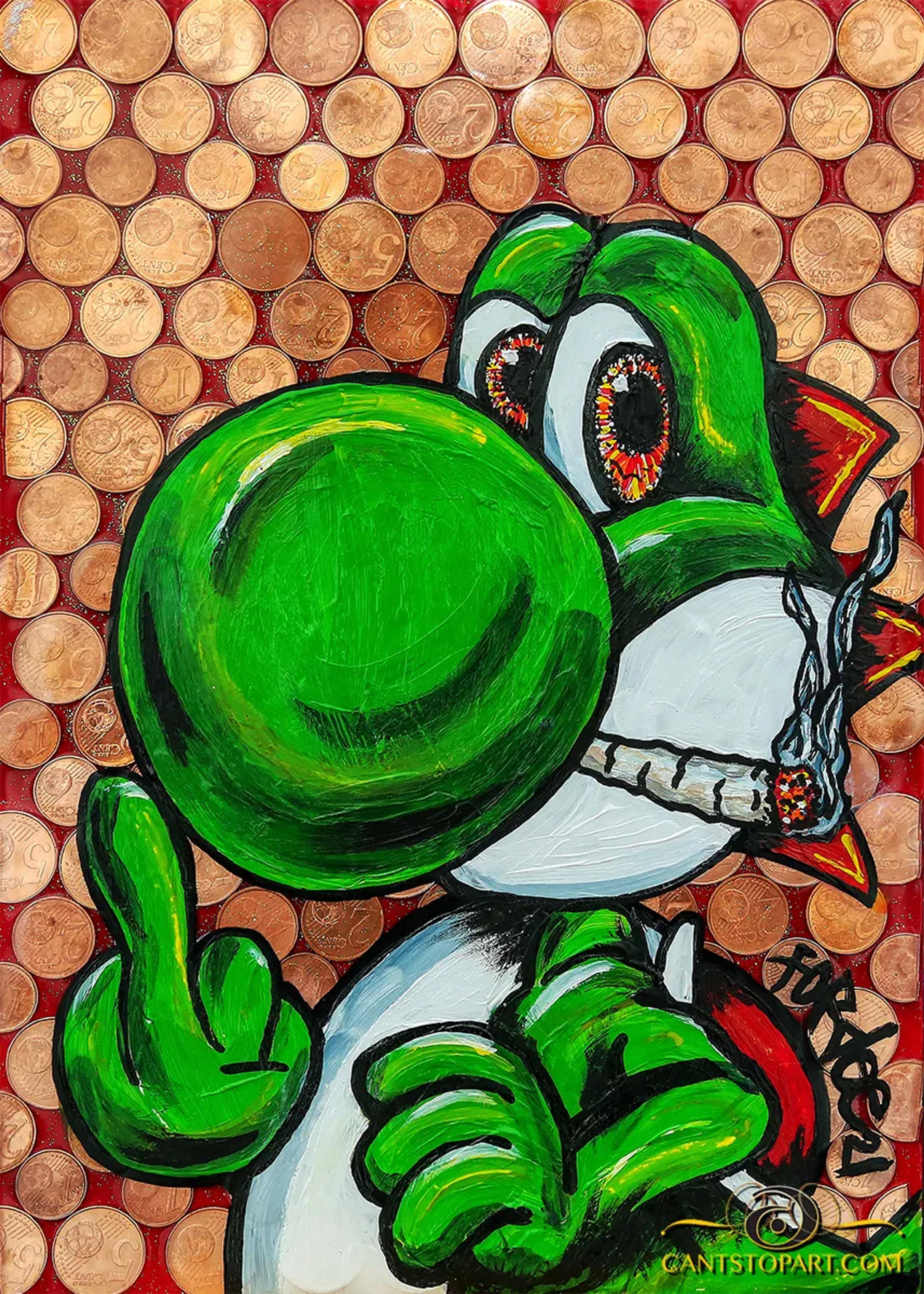
Shipping an original painting feels scary because it should. The piece exists once. Get the packing wrong, and the courier doesn't owe you a new one. They owe you the insurance you remembered to take out, which is rarely the same thing.
Here's the actual process from a Barcelona studio that ships originals worldwide most weeks of the year. None of this requires special equipment. It does require not skipping steps.
1. Surface protection comes first
The face of the painting touches one thing only: a clean, smooth, slightly rigid layer that won't stick to fresh varnish or resin. We use glassine paper or thin foam, cut a few centimeters bigger than the piece on every side, and tape the corners only. Never tape directly onto the artwork. Resin pieces in particular hate any adhesive that meets the surface.
2. Edge and corner armor
Corners take the hits in transit. Foam corner protectors (the L-shaped ones used for picture frames) catch the worst of any drop. Wrap the whole piece in two layers of bubble wrap, bubbles facing out so they don't print into the surface. Tape the bubble to itself, not to the painting.
3. Pick a real box
Single-walled boxes from a local supermarket are not enough. Use rigid double-walled corrugated cardboard, two to three centimeters larger than the wrapped piece on every side. For pieces over 80 centimeters or under heavy resin layers, build a wood crate or order one purpose-built. The cost of a crate is always less than the cost of a returned damaged painting.
4. Fill every void
Empty space inside the box is where damage lives. Crumpled kraft paper, foam blocks, or air pillows fill the gaps so the piece can't slide. Shake the closed box gently. If you hear or feel anything moving, add more fill. Repeat until silent.
5. Outside layer and waterproofing
Tape every seam. Wrap the whole box in a plastic sheet or stretch wrap so a rainy loading dock doesn't soak through cardboard into your painting. "Fragile" stickers help less than people think. Big arrow stickers showing which way is up help more.
6. Documents, signature, insurance
Inside the box: a printed certificate of authenticity in a sleeve, plus your contact information in case the outer label gets damaged. Outside: a clear shipping label, a signature-on-delivery flag, and full-replacement-value insurance. International originals always go signed and insured. No exceptions.
7. The only carrier rule that matters
Cheaper isn't worth it for an original. Use carriers that handle art (DHL Fine Art, FedEx, UPS Premium for international) or specialist art shippers for pieces over a certain price. Track every step. Take dated photos of the piece sealed and labeled before handing it off.
That's the whole job. Slow, boring, repetitive, and the reason every painting that's left this studio has arrived intact.
Frequently Asked Questions
Express international (DHL/FedEx) typically arrives within 3–7 working days to Europe, the US, the UK, Canada, and Australia. Standard service is 7–14 days. Customs delays can add a few days, especially outside the EU.
Yes, with proper packing. Resin pieces need extra surface protection because the gloss can be marked by direct contact with bubble wrap. Glassine or thin foam between piece and bubble solves it.
Full declared value coverage from the carrier or a specialist art shipping policy. The price increase is small relative to the piece. Always declare the actual sale price, not a discounted shipping value.
Photograph the box and the piece before unpacking, then again after. Reach out within 48 hours so the insurance claim has clean documentation. Reputable artists will work with you to repair, replace where possible, or refund based on the policy and circumstances.
Explore These Pieces
About the Author
Fordee is a Los Angeles-born, Barcelona-based painter and mixed media artist. His work spans pop art, contemporary, abstract, and street art using acrylic, resin, gold foil, alcohol ink, spray paint, and mixed media on canvas, wood, and furniture. Every piece in the collection is a one-of-a-kind original, shipped worldwide from his Barcelona studio.
Keep Reading
- collecting
Why I Sign, Number, and Document Every Piece I Sell
Provenance is the unsexy word for "this art is real." Here's how I document every original and why that paperwork outlasts the paint.
 collecting
The Gallery Wall, Done Right: Hanging Multiple Pieces in a Real Home
Gallery walls live or die in the layout. Here's how to plan one that looks intentional instead of like you ran out of nails.
- collecting
Caring for Original Artwork: Light, Humidity, and the Long Game
An original painting is a long-term object. Treat it like one. Here's what actually matters, and what doesn't, for keeping a piece looking right for decades.
Inspired by what you see?
Explore the full collection of original artwork, prints, and more.
Browse the Collection