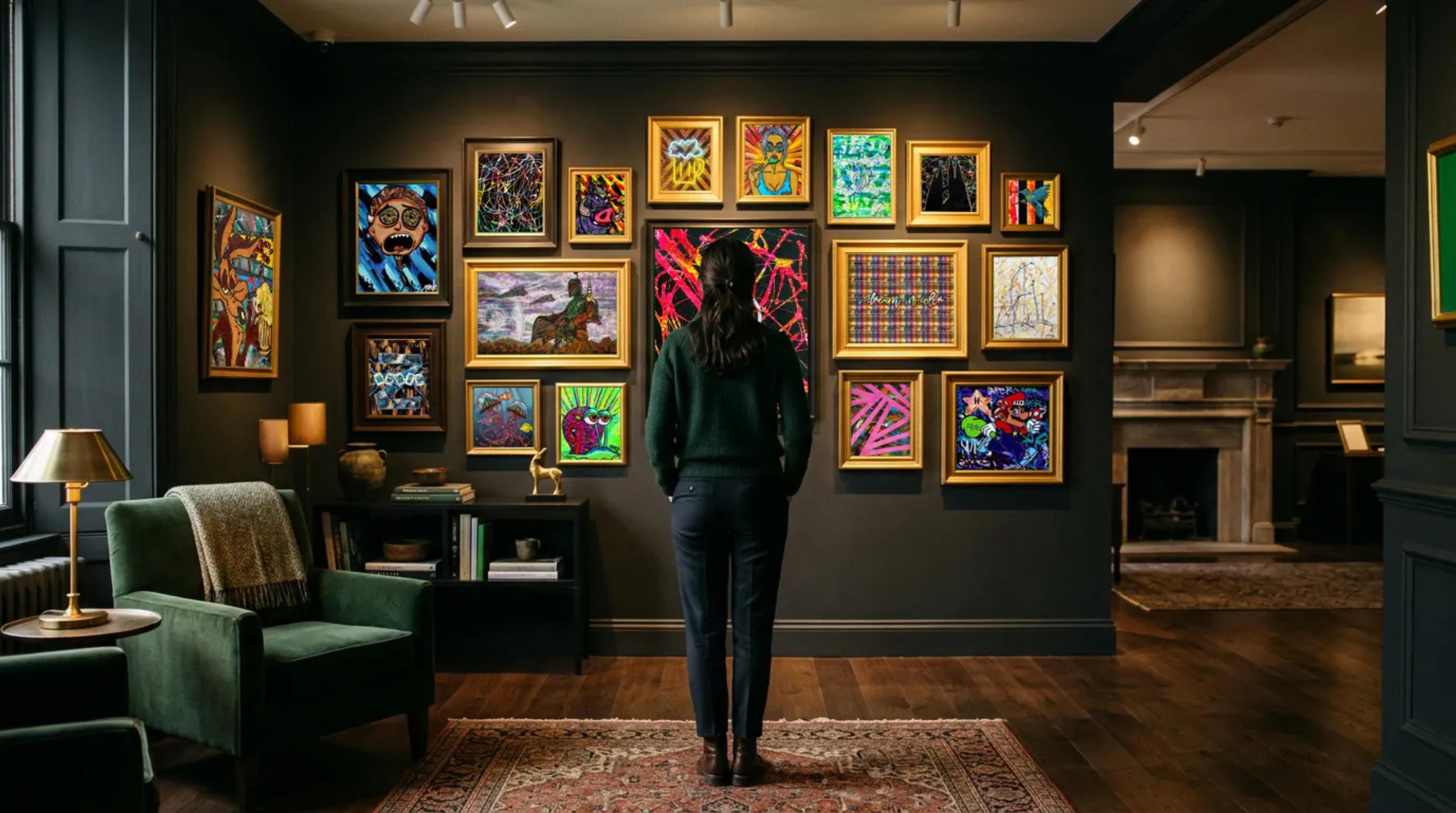
The word "collector" can feel intimidating, like it's reserved for people with gallery connections and six-figure budgets. It isn't. Every collection starts with a single piece someone couldn't walk away from. That's the whole story.
Buy what you love
The most important rule in collecting is the simplest: buy what moves you. Don't chase trends. Don't buy what you think will impress someone else. The pieces you live with every day should make you feel something. Excitement, calm, curiosity, energy. If a piece doesn't do that, it doesn't matter what the market thinks of it.
You're in good company on this. According to the Art Basel and UBS Survey of Global Collecting 2025, 66% of high-net-worth collectors purchased works by artists they had only recently discovered, buying based on personal response rather than established reputation. The pros are following their gut too.
Set a budget, then go look
Decide what you're comfortable spending and start looking. Original artwork from emerging artists can be surprisingly accessible. Art fairs, online galleries, and artist websites are all good places to find work that fits a real budget instead of a fantasy one.
Online platforms have rewritten the access rules. Dealer websites now generate 17% of total art sales revenue, more than double the 8% recorded in 2019, according to the Art Basel and UBS Global Art Market Report 2025. And 46% of online sales went to first-time buyers in 2024, which means the digital art market is built for newcomers, not just insiders.
Learn to look
Spend time with art before you buy. Visit galleries, follow artists, browse online collections. The more you see, the better you'll understand what actually pulls you in versus what just looks good for ten seconds. Your taste sharpens with miles, not with money.
Start where you are
The data backs up starting young. The Art Basel and UBS Survey of Global Collecting 2025 found that 74% of high-net-worth collectors surveyed are Gen Z or Millennials. Gen Z collectors allocate 26% of their portfolios to art, the highest share of any age group. Collecting is increasingly something people start in their twenties and thirties, not later in life.
Start small, think long-term
Your first purchase doesn't need to be a statement piece. A smaller work that resonates is the perfect starting point. As your collection grows, you'll start to see a thread connecting the pieces you choose. That thread is your taste, and you can only see it once you've started buying.
Ask questions
Don't be afraid to message artists directly. Ask about the process, the story behind a piece, what inspired a particular series. That context makes the art mean more, and the collecting experience becomes a relationship instead of a transaction.
That's it. One piece, then another. Welcome to the start of a collection.
Frequently Asked Questions
Start with whatever you can comfortably afford to spend on something you'll keep for years. For many first-time buyers, that's somewhere between €100 and €500 for a small original or limited-edition print. There's no minimum.
Direct from the artist's website is often the cleanest route. You skip the gallery markup and you usually get to talk with the person who made the piece. Online platforms and local art fairs are good alternatives.
Probably not, unless you also love it. Trends move on. The piece on your wall doesn't. Buy work you'd happily live with even if the artist's market never grew.
No, especially not at the start. Advisors become useful once you're spending serious money or focusing on a specific collecting strategy. For the first handful of pieces, your own eye plus a few honest conversations with artists will get you further.
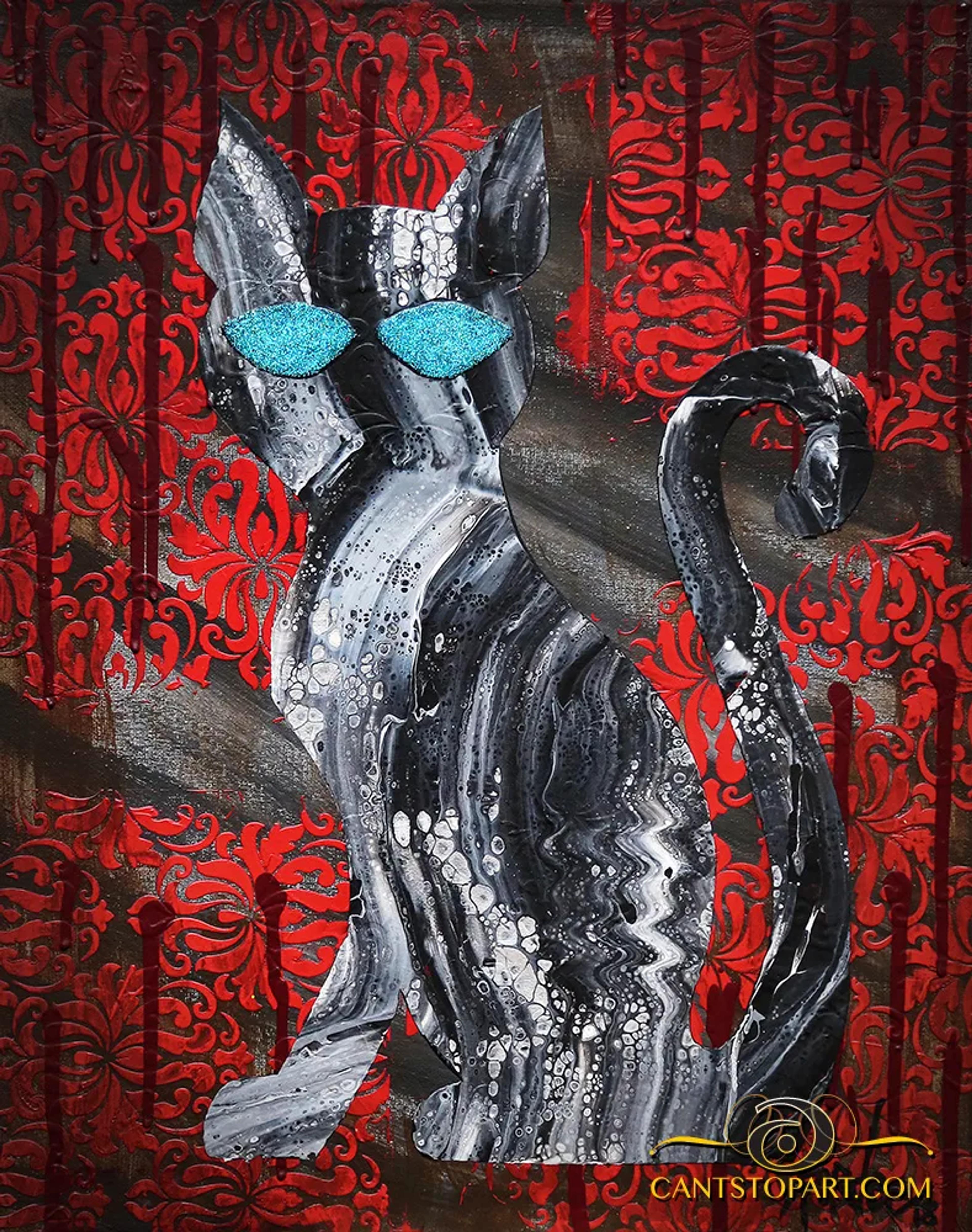
Explore These Pieces

About the Author
Fordee is a Los Angeles-born, Barcelona-based painter and mixed media artist. His work spans pop art, contemporary, abstract, and street art using acrylic, resin, gold foil, alcohol ink, spray paint, and mixed media on canvas, wood, and furniture. Every piece in the collection is a one-of-a-kind original, shipped worldwide from his Barcelona studio.
Keep Reading
 collecting
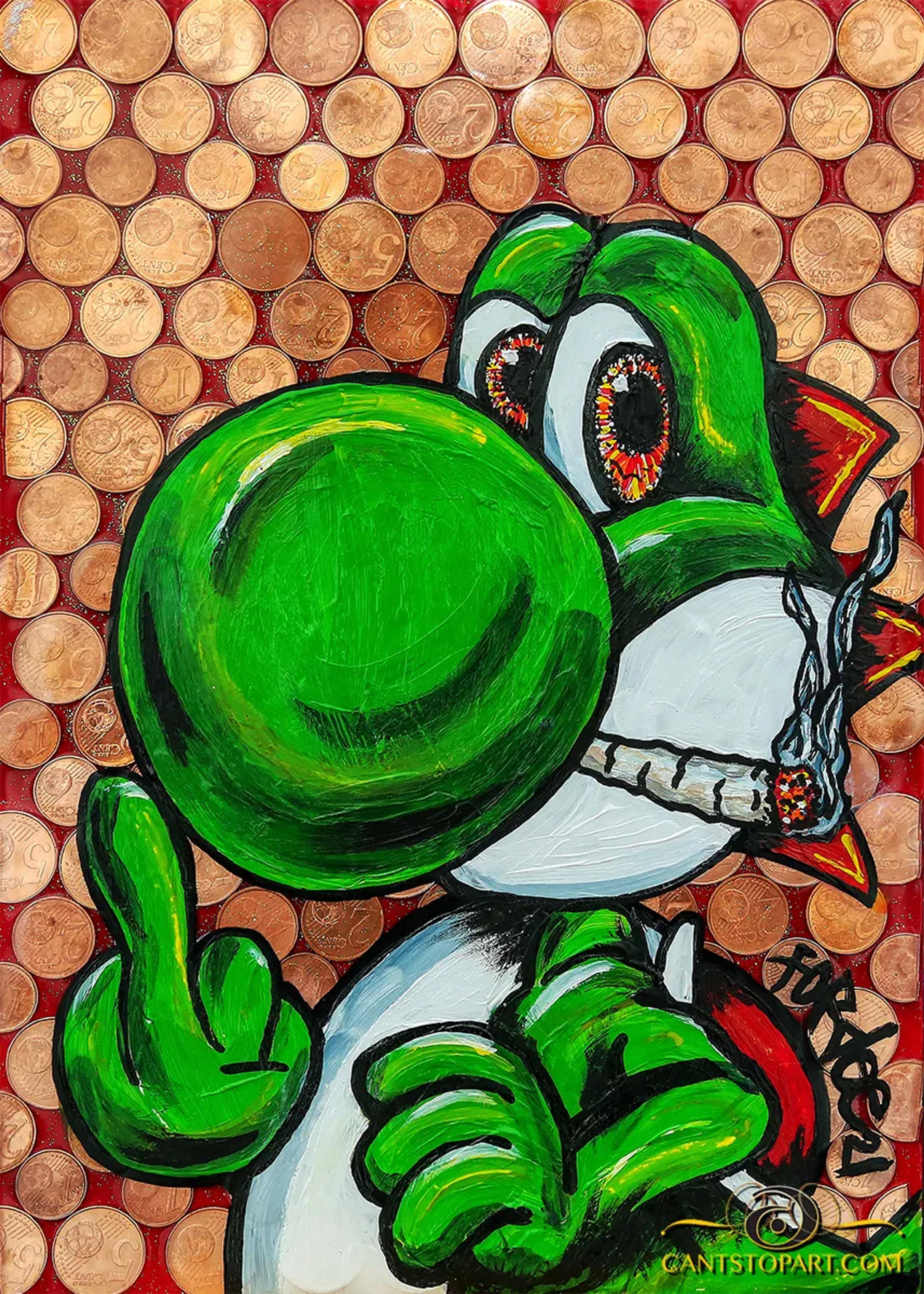
Why I Sign, Number, and Document Every Piece I Sell
Provenance is the unsexy word for "this art is real." Here's how I document every original and why that paperwork outlasts the paint.
 collecting
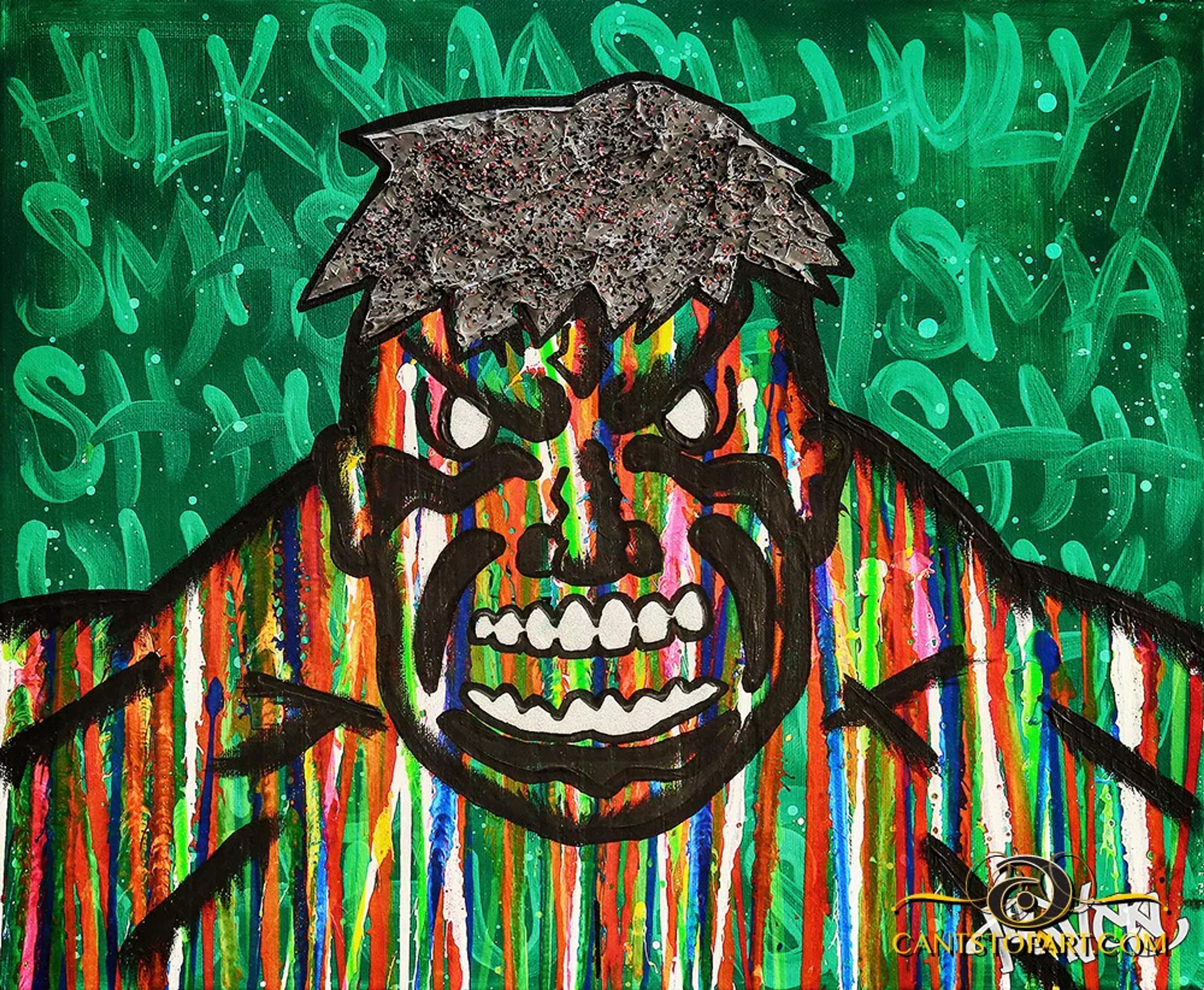
The Gallery Wall, Done Right: Hanging Multiple Pieces in a Real Home
Gallery walls live or die in the layout. Here's how to plan one that looks intentional instead of like you ran out of nails.
- collecting
Caring for Original Artwork: Light, Humidity, and the Long Game
An original painting is a long-term object. Treat it like one. Here's what actually matters, and what doesn't, for keeping a piece looking right for decades.
Inspired by what you see?
Explore the full collection of original artwork, prints, and more.
Browse the Collection